Home
Videos
Steve McCurry – Profile
Resource Center: Non-Photographic Diversions
Outreach Program
Natalie Fobes – Profile
Nacho Corbella Video Page
Media Archive
Foundry 2011 – Buenos Aires
LEARN
SEE
NETWORK
REFERENCE
NAV MENU
Organization
Legacy
FOUNDRY
PWAU
Outreach
Interviews
Ideas around images
HOME
About Us
Outreach Program
Videos
Resource Center
Search for:
Search Button
Home
»
»
Steve Winter
Steve Winter
←
Return to People Index
PhotoWings Media Archive
Share
Featured
1:48
Steve Winter on Early Inspiration
Steve Winter
Wildlife Photojournalist
Projects · appears in 1
ILCP — International League of Conservation Photographers
Collection
Tags
Concepts
Storytelling
2
Inspiration
1
Topics
Environmental Photography
2
Nature Photography
2
Photography Awards
2
Photography Book
2
Photojournalism
2
War Photography
2
Animal Rights & Conservation
1
Education & Youth
1
Visual Literacy
1
Portfolio
2 videos · every appearance
1:48
Steve Winter on Early Inspiration
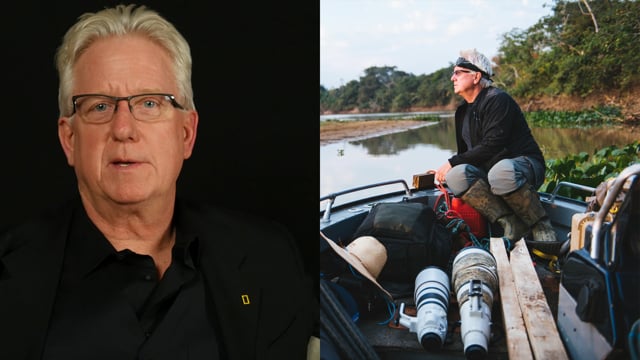
Award-winning photojournalist Steve Winter tells us about how he became inspired to pursue a career in photography and the ways his father nurtured his visual literacy. Steve Winter has been a photographer for National Geographic for over two decades. He specializes in wildlife, and particularly, big cats. Winter has been named BBC Wildlife Photographer of the Year and BBC Wildlife Photojournalist of the Year, was a two-time winner of PoYI’s Global Vision Award and won first prize in the nature story category from World Press Photo in 2008 and 2014. He lectures globally on photography and conservation issues and has appeared on CBS Nightly News, 60 Minutes, NPR, BBC, CNN, NG WILD and other media outlets. Winter feels that he has a great responsibility not only to show and excite readers about the natural world, but about its fascinating people and cultures as well. Above all, he wants to give National Geographic readers what he always wanted — a front row seat next to the photographer and writer, and to be part of the team along for the adventure. In November 2013, National Geographic published Winter’s photography book Tigers Forever: Saving the World’s Most Endangered Cat, with text written by environmental journalist Sharon Guynup.
PhotoWings
3:54
Steve Winter on Working With Big Cats
Award-winning photojournalist Steve Winter tells us how he became involved with documenting big cats – “I didn’t choose big cats, big cats must of chosen me.” Steve Winter has been a photographer for National Geographic for over two decades. He specializes in wildlife, and particularly, big cats. Winter has been named BBC Wildlife Photographer of the Year and BBC Wildlife Photojournalist of the Year, was a two-time winner of PoYI’s Global Vision Award and won first prize in the nature story category from World Press Photo in 2008 and 2014. He lectures globally on photography and conservation issues and has appeared on CBS Nightly News, 60 Minutes, NPR, BBC, CNN, NG WILD and other media outlets. Winter feels that he has a great responsibility not only to show and excite readers about the natural world, but about its fascinating people and cultures as well. Above all, he wants to give National Geographic readers what he always wanted — a front row seat next to the photographer and writer, and to be part of the team along for the adventure. In November 2013, National Geographic published Winter’s photography book Tigers Forever: Saving the World’s Most Endangered Cat, with text written by environmental journalist Sharon Guynup.
PhotoWings
No videos match your search.
ILCP — International League of Conservation Photographers
Collection · Related
22:18
Gorongosa National Park - Piotr Naskrecki - WildSpeak Presentation 2016
Stories of success in nature conservation are much rarer than those of defeat. Yet restoration of Gorongosa National Park in Mozambique is one of such rare examples. Completely destroyed during a 20-year civil war, Gorongosa was able to rebound thanks to a unique partnership between a US-based NGO and the Mozambican government. An important tool in the park’s recovery was the use of film and photography to bring the park into the public’s awareness, and turn the perception of Mozambique from that of a war-torn place to a unique ecotourism destination.
ILCP — International League of Conservation Photographers
20:28
Carlton Ward Jr. - Florida Wildlife Corridor | Wildspeak Presentation 2016
Carlton Ward Jr. has been working for years on the Florida Wildlife Corridor that aims to connect, protect, and restore corridors of conserved lands and waters essential for the survival of Florida’s diverse wildlife.
ILCP — International League of Conservation Photographers
22:16
Jaime Rojo - The Living Med | Wildspeak Presentation 2016
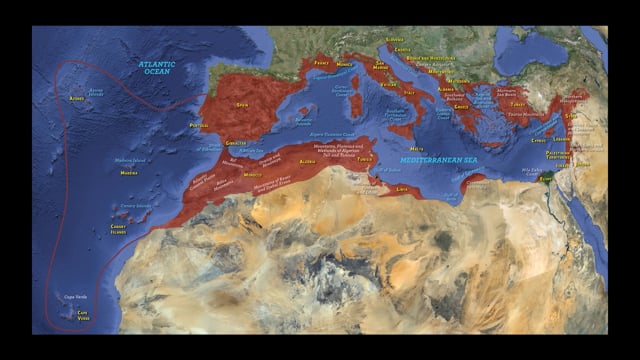
Jaime Rojo presents The Living Med The Living Med is an ambitious nature photography and multimedia communications project, with the conservation of the Mediterranean Basin at its heart. The Mediterranean hotspot expands well beyond its shores, and it is one of the most biologically and culturally diverse regions in the world, and one of the most threatened too. From the wetlands of the Balkans to the cold Cedar forests of Northern Africa, follow the work of three Spanish photographers united in their mission to protect this vast ecoregion. For more information on this effort see http://www.thelivingmed.org/
ILCP — International League of Conservation Photographers
18:07
Mangroves The Skin of our Coasts - Octavio Aburto - WildSpeak Presentation 2016
Mangroves, the forests forming the transition between land and sea, provide numerous ecosystem services. Mangroves protect the shoreline and provide essential nursery habitat for many species. Despite these benefits, we continue to destroy them at an alarming rate; so fast in fact, that in the last 50 years we have lost almost 50% of the earth’s mangrove forests. “Mangroves: the skin of our coasts” is a new communication campaign to stop the deforestation of these incredible forests.
ILCP — International League of Conservation Photographers
21:31
Protecting the Orangutans of Borneo - Tim Laman - WildSpeak Presentation 2016
Tim Laman discusses his 20 years of collaborating with local and international NGOs to protect and preserve the natural habitats of Borneo's orangutans.
ILCP — International League of Conservation Photographers
32:09
Sandesh Kadur - India's Mountains of Life - WildSpeak Presentation 2016
The Himalaya and the Western Ghats, two of India’s great mountain ranges, hold within their folds, many mysteries - unnamed species, primeval cultures and the promise of magical cures that can heal all of humanity. Documenting these mountains and their bio-cultural richness has been something of a passion for Sandesh Kadur. Working closely with ATREE, a conservation organization, Sandesh’s work over the last two decades, in the form of books and documentaries, has brought a much-needed spotlight on two little known regions. These books and documentaries served as ammunition in helping get the Western Ghats declared as a UNESCO World Heritage Site. As India continues forward in its economic growth, and its population continues to increase, it will be more and more critical to protect these mountains of life into the future.
ILCP — International League of Conservation Photographers
38:12
Robin Moore - Back From the Brink - WildSpeak Presentation 2016
Several scientific and photographic expeditions, leading to new species discoveries and lost species rediscoveries, have formed the basis of innovative outreach efforts to engage people in the conservation of Haiti’s remaining forests and their unique wildlife. Robin spoke about initiatives such as the Search for Lost Frogs and Frame of Mind, a program he co-founded to empower Haitian youths to connect with their natural and cultural worlds through photography and storytelling.
ILCP — International League of Conservation Photographers
31:43
Chris Linder - The Big Thaw - WildSpeak Presentation 2016
Due to rising temperatures in the Arctic, soil that had been locked in the permafrost ‘freezer’ is now thawing, releasing Pleistocene-era carbon back into the ecosystem. There, hungry microbes devour it, releasing carbon dioxide and methane gases. These potent greenhouse gases, added to the levels already in the atmosphere, fuel a dangerous feedback cycle. The massive amount of carbon stored in Arctic permafrost soil—four times more than all the vegetation on Earth—has been described as a ‘carbon bomb.’
ILCP — International League of Conservation Photographers
See more ▾
Legal
Privacy Policy
/
Terms of Use
Home
✕
✕
All
Resource Center
✕
✕
✕